Late May
Milkweed Preservation
Our annual garbage clean-up and ditch flagging along Hwy Z and Hwy 52 in Aniwa. All safety equipment provided.
Free camping for volunteers
Save A Monarch is a Wisconsin conservation group working out of a base camp in the northwoods: flagging roadside milkweed, raising what we find, and letting them go.
We are a group that has made it our mission to dedicate our time to the monarch butterflies we have all grown to love. In recent years the monarch population has dropped by more than 90%, the lowest it has been since the 1950s.
With this mission we aim to spread awareness and to educate residents of Wisconsin, and of the whole country, on the simple things you can do to help us help them.
Most of what helps is not complicated. It is the right native wildflowers, in the right spot, and it does not need to be a big garden. A small one with the right flowers makes a real difference.
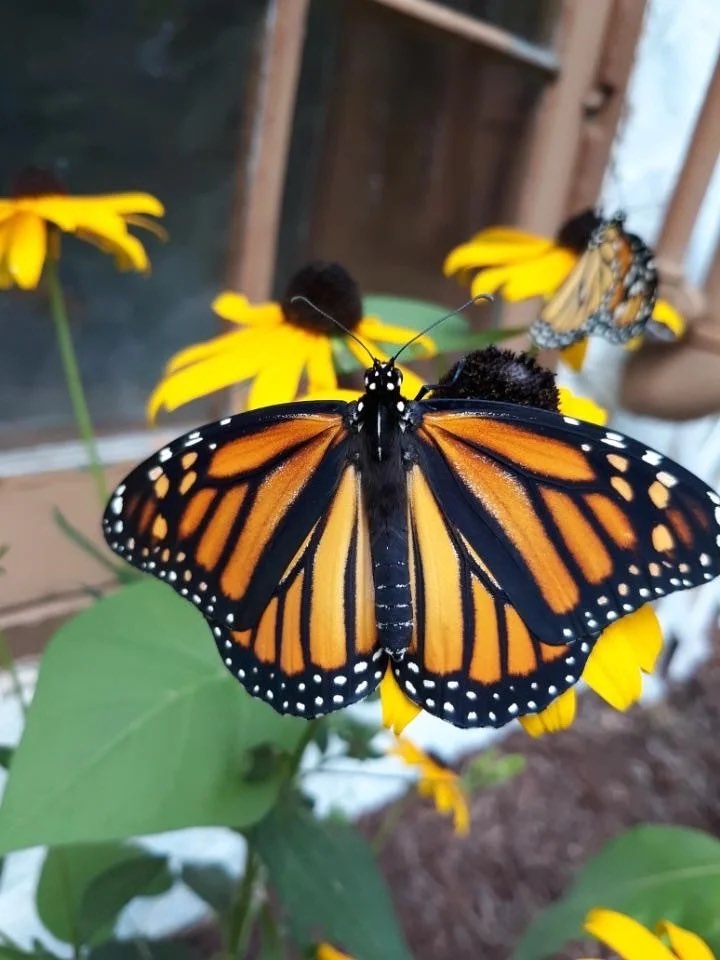
June to September are Wisconsin's main migration months. This is the work that happens in them.
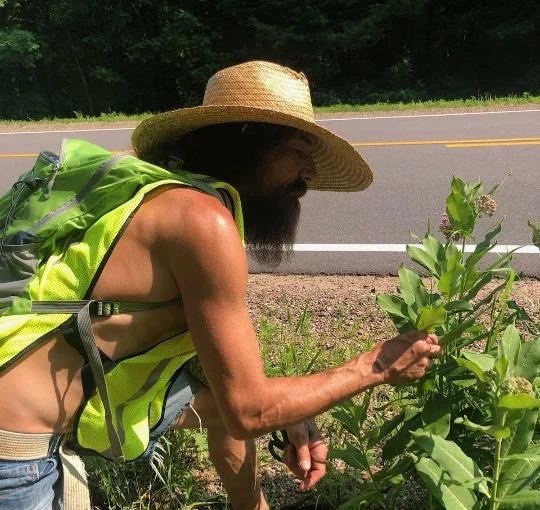
Volunteers flag patches of roadside milkweed before the first mow so the machines leave them standing. We have a working relationship with the county highway department to help maintain the milkweed near base camp.
The flagged patches are walked and checked. Leaves carrying an egg are cut and brought back to camp. Anything healthy that is better left where it is stays on the plant and gets monitored instead.
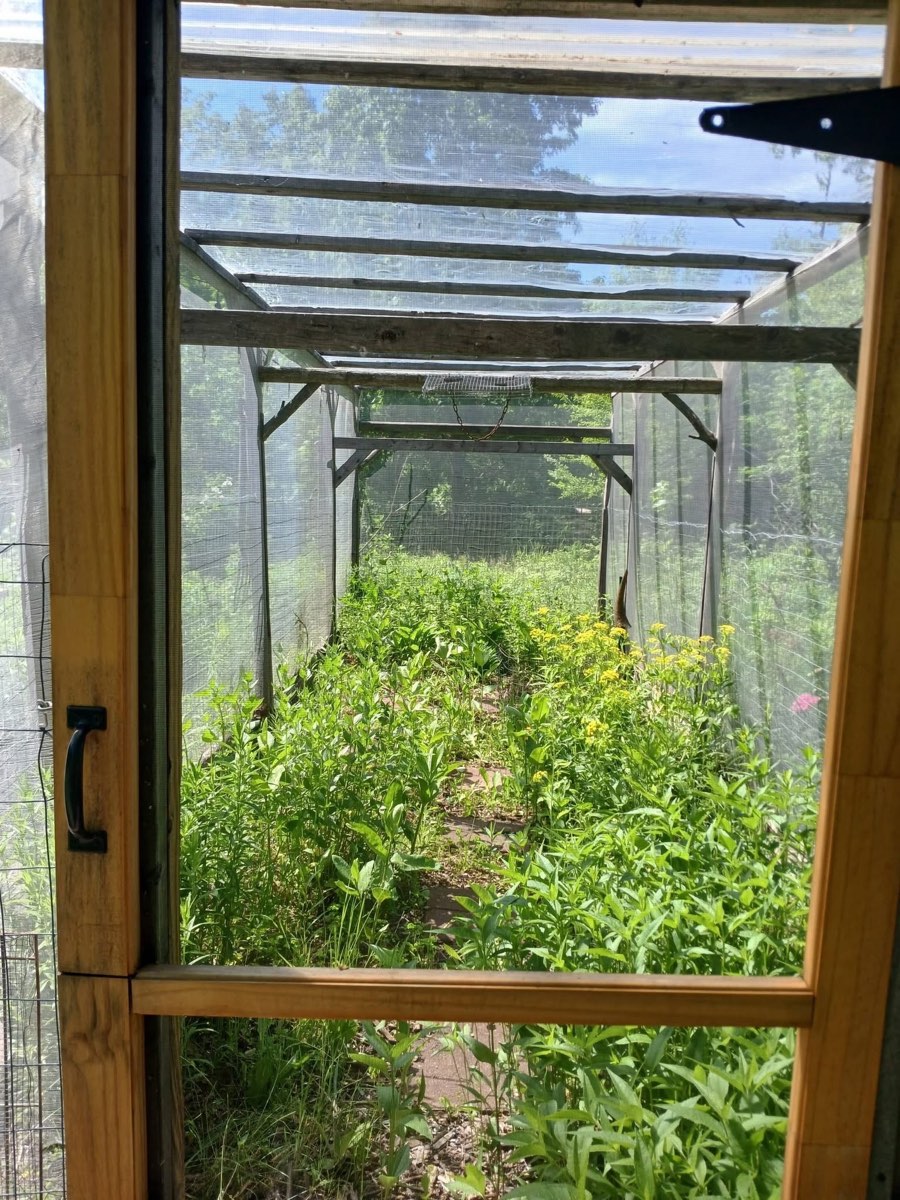
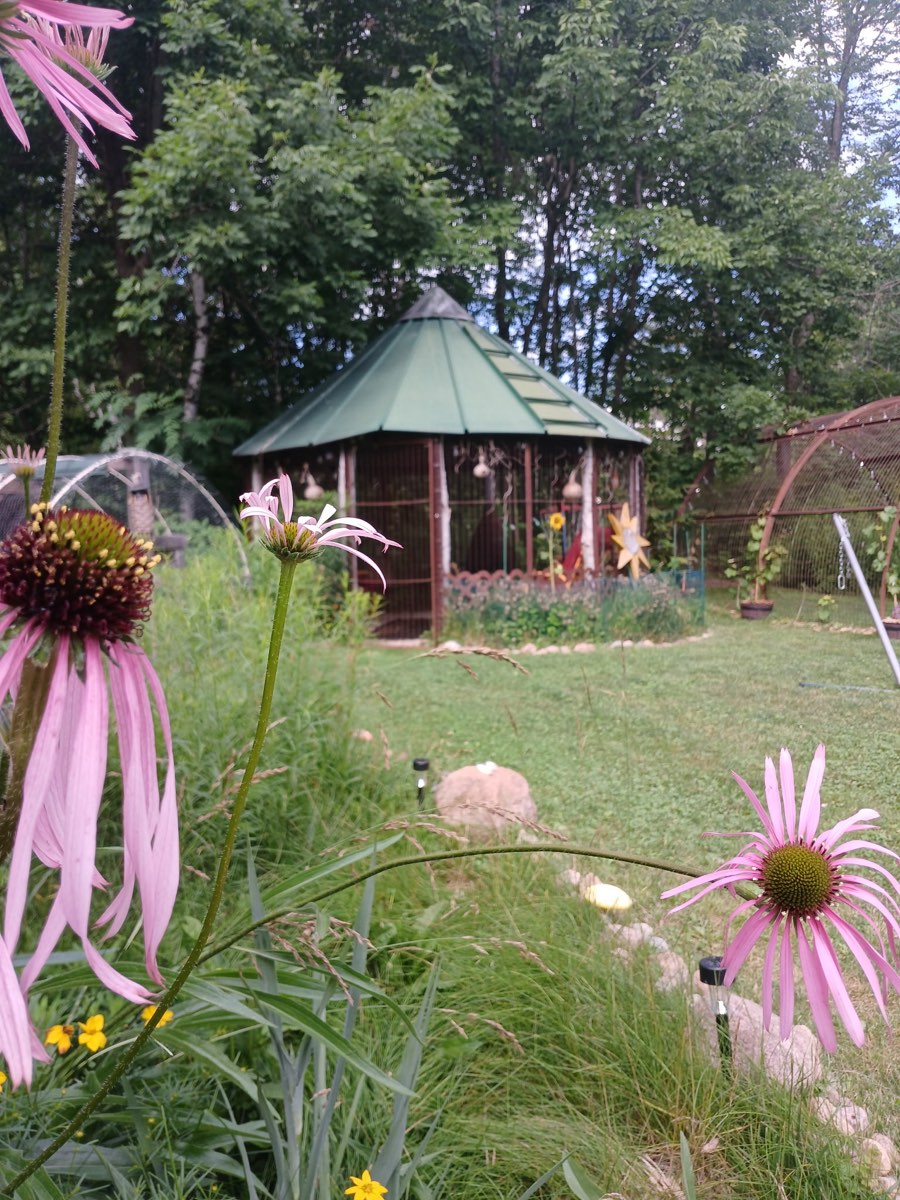
Two large enclosures, both planted with milkweed and a wide variety of Wisconsin native wildflowers. The enclosures keep them safe from predators through the most delicate stage of their lives.
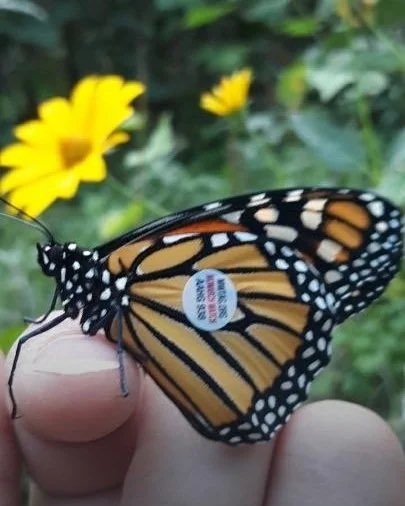
They are released after the chrysalis stage, from the same land they were found beside. Some are tagged first, so where they end up is not just a guess.
The other half of the work is education: the seminars, the workshops, and telling anyone who will listen which native wildflowers to plant and where to put them.
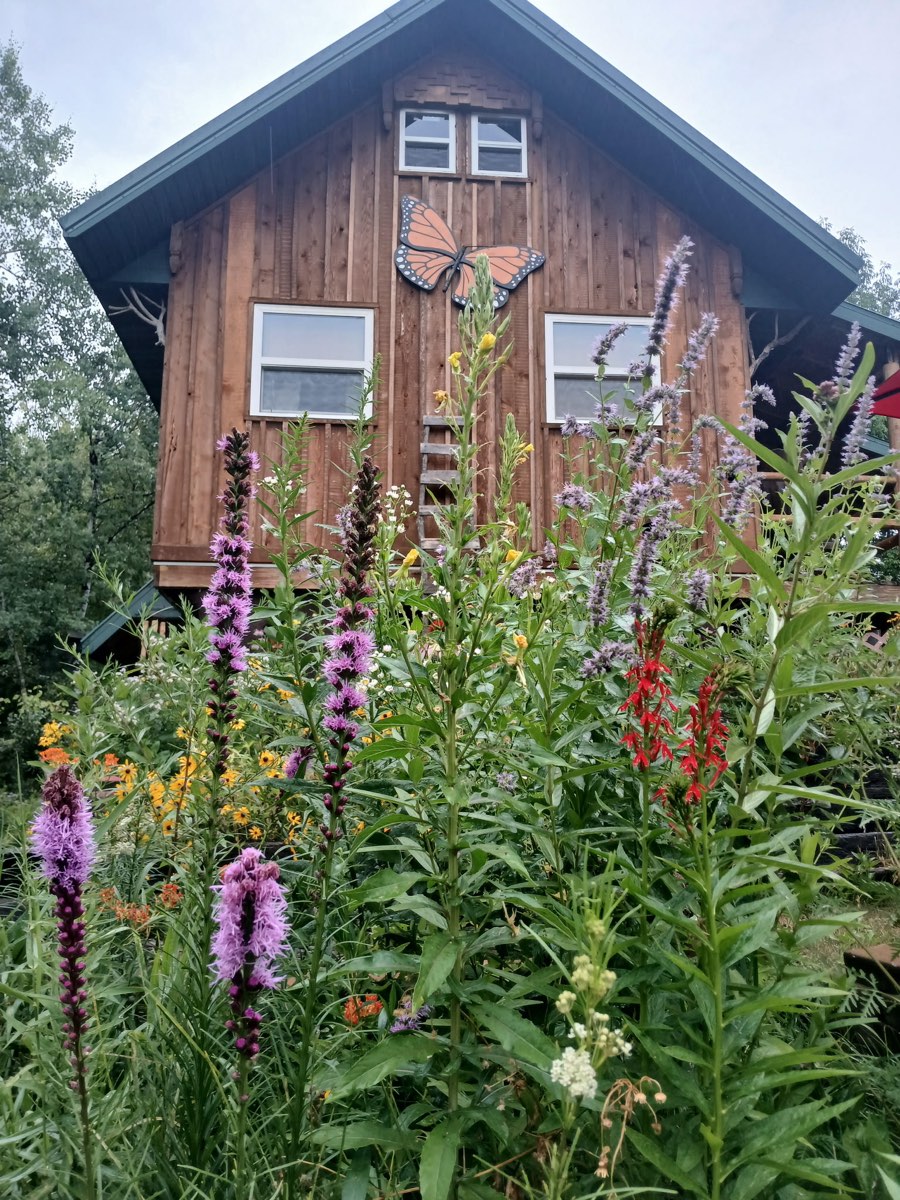
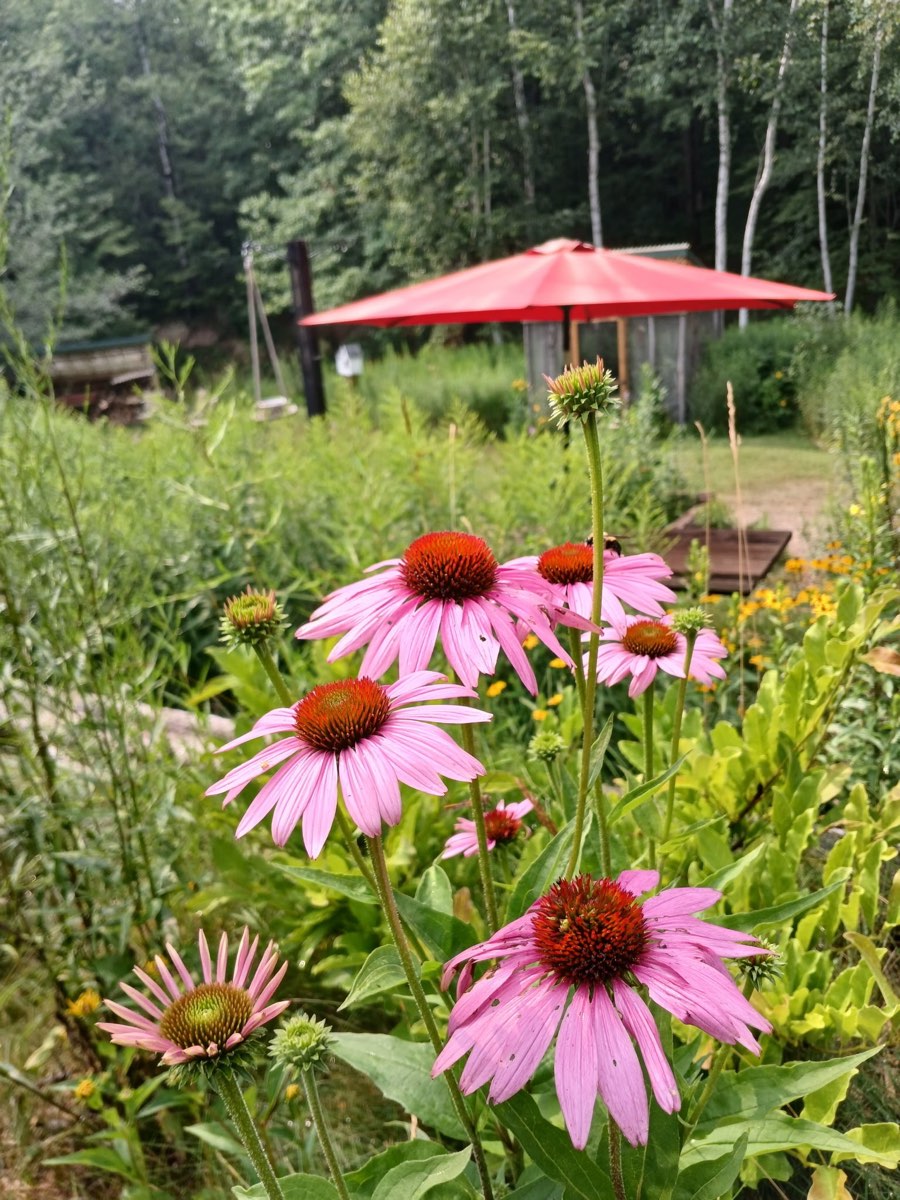
Base camp is kept heavily populated with native pollen plants, for the monarchs and for every other pollinator that turns up. Habitat is the part that lasts after the season ends.
Everything runs out of a base camp in Aniwa, Wisconsin, about twenty minutes from Wausau. Many of your days volunteering here are long-distance walking, out along the ditches, monitoring the milkweed patches and checking the health of what is on the plants.
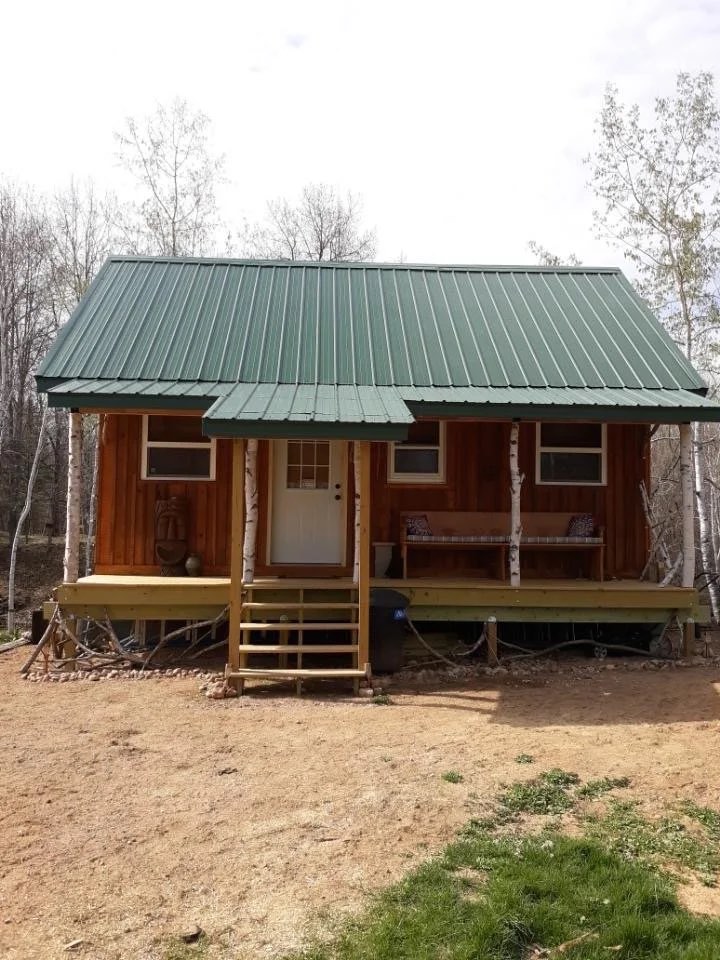
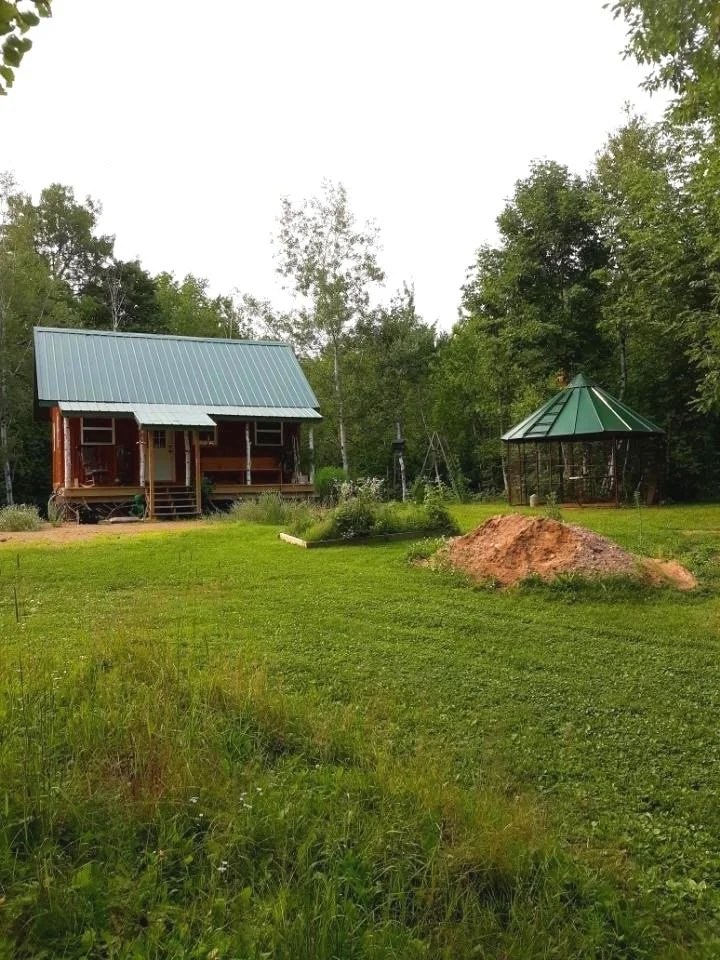
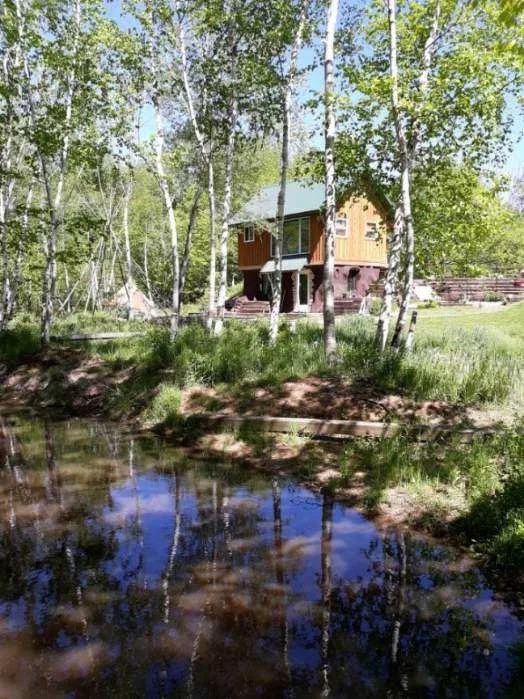
The camp is also The Wellness Retreat, run by the same family on the same land. Cabins, a yurt, tent sites, a sauna and two ponds sit among the butterfly gardens, which is why volunteers can stay over.
Egg, caterpillar, pupa, adult. The whole thing takes about a month.
1
In spring the female lays her eggs on the undersides of milkweed leaves. They hatch three to four days later.
 2
2
The caterpillar eats its own shell first, for the nutrients. It starts at 2-6mm and reaches 25-45mm, shedding and eating its skin through five instars.
 3
3
It spins a silk pad under a milkweed leaf and hooks on by its cremaster to form the chrysalis. This is the stage almost nothing survives in the wild.
 4
4
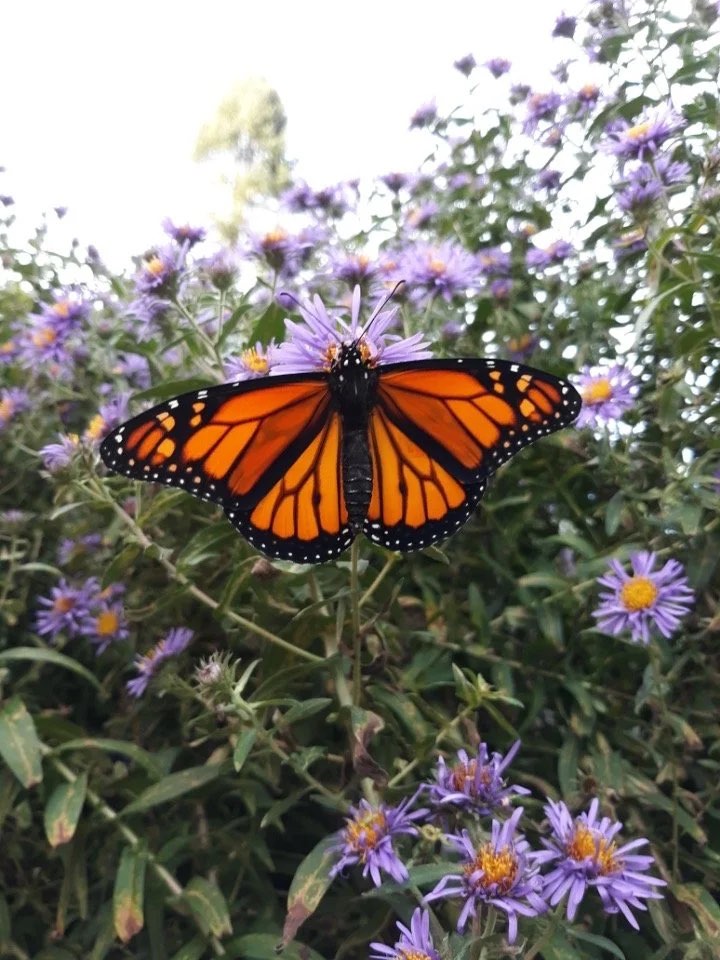
It comes out fully grown. The wings have to dry before they carry any weight. Then it feeds on nectar, tasting it through receptors in its feet.
Monarchs cannot survive a cold winter, so they leave. The ones that winter in the mountains of central Mexico are the last generation of the cycle, and most of them began life in the northern US or southern Canada, a journey of up to 4,800 miles.
When spring comes they lay their eggs in the southern US and northern Mexico, and it starts again. There are four generations a year, each living a different life from the one before it. They return to the same forests every year, and some find the very tree their ancestors landed on.
Good for a school project, or for the drive home.
We host events through the season to spread knowledge and awareness, and to get the work done. Several include guest speakers alongside health and well-being activities. Volunteers camp free. Sites are limited and reservations are required.
Our annual garbage clean-up and ditch flagging along Hwy Z and Hwy 52 in Aniwa. All safety equipment provided.
Free camping for volunteersWe team up with the Marathon County Highway Department to flag milkweed patches and keep them from being mowed. The patches between the flags are gently stripped of caterpillars and eggs, which come back to the butterfly gardens and into pest-safe enclosures until they are ready to be released. Instruction, safety vests and collecting supplies provided. You will learn to handle, raise and release monarchs.
Free camping for volunteersArtist exhibits of all kinds, arts and crafts sales, a kids' art station and coloring contests. Open to the public through the day; donations for entry.
Free camping for artistsAn educational workshop in the Save A Monarch gardens, a field trip to the local prairie preservation, light snacks, a native plant handbook and a plant to take home.
Day pass · optional campingFormal yoga sessions with a qualified instructor, an optional overnight in the gardens, and a shuttled kayak trip down the Eau Claire River.
RSVP to reserveDates move a little each year with the season. Text us to confirm this year's calendar before you travel.
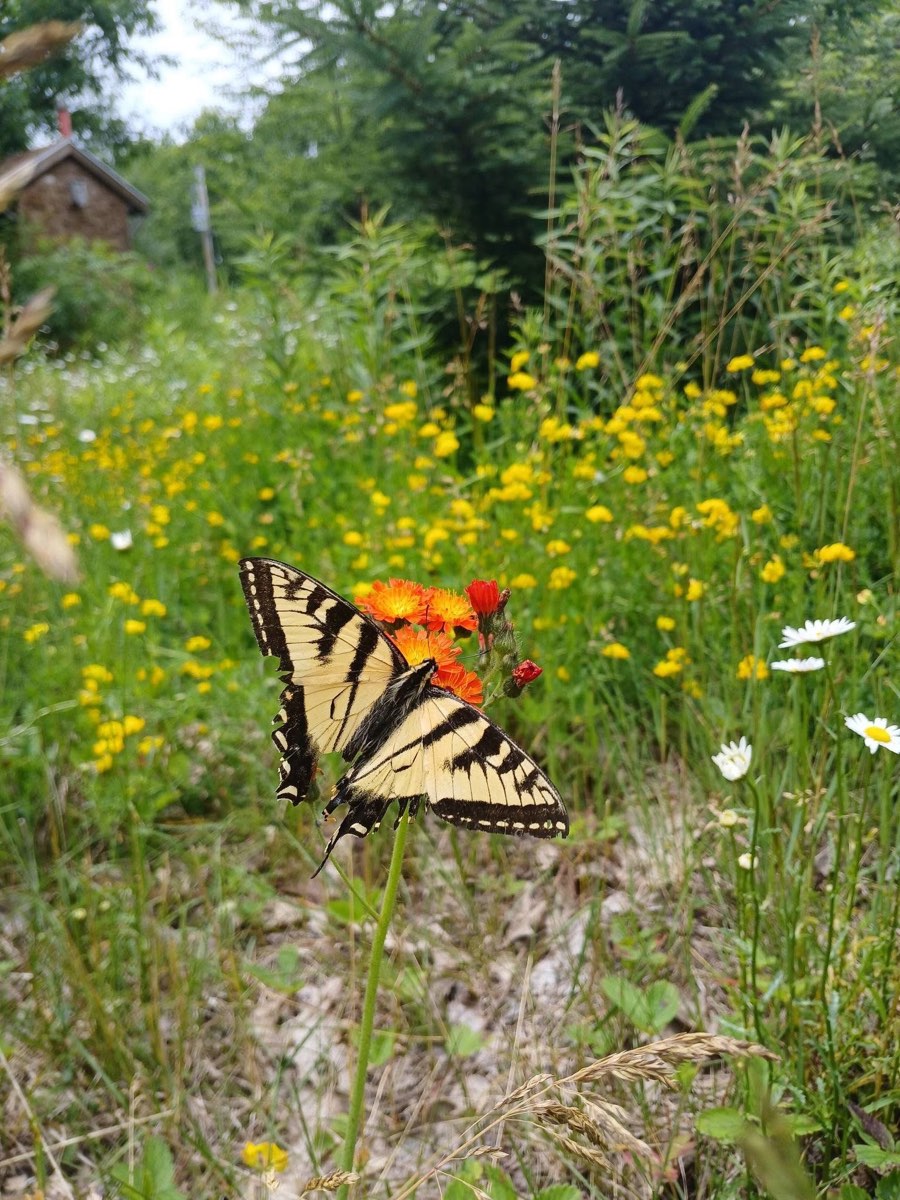
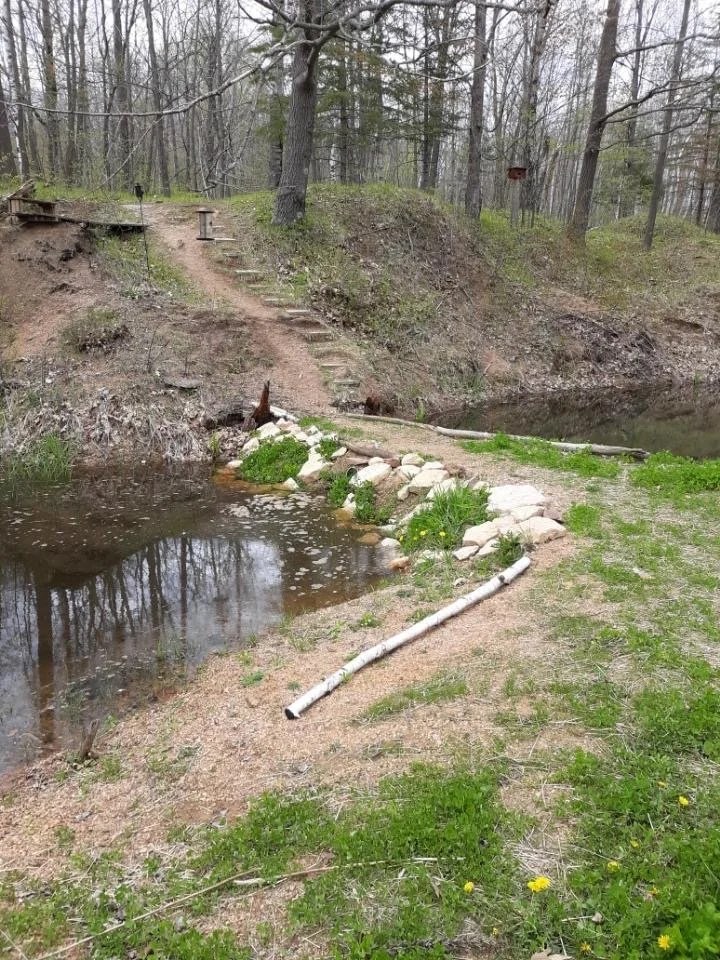
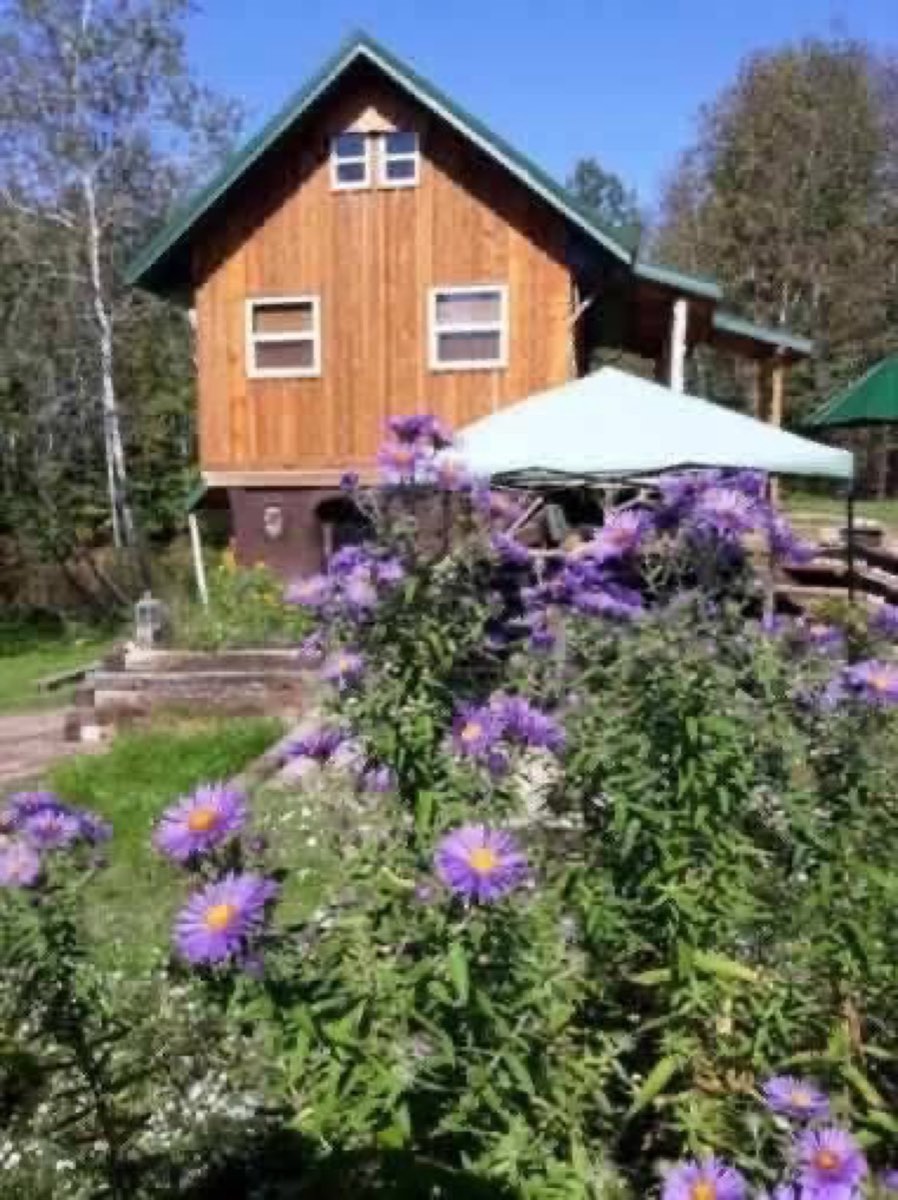
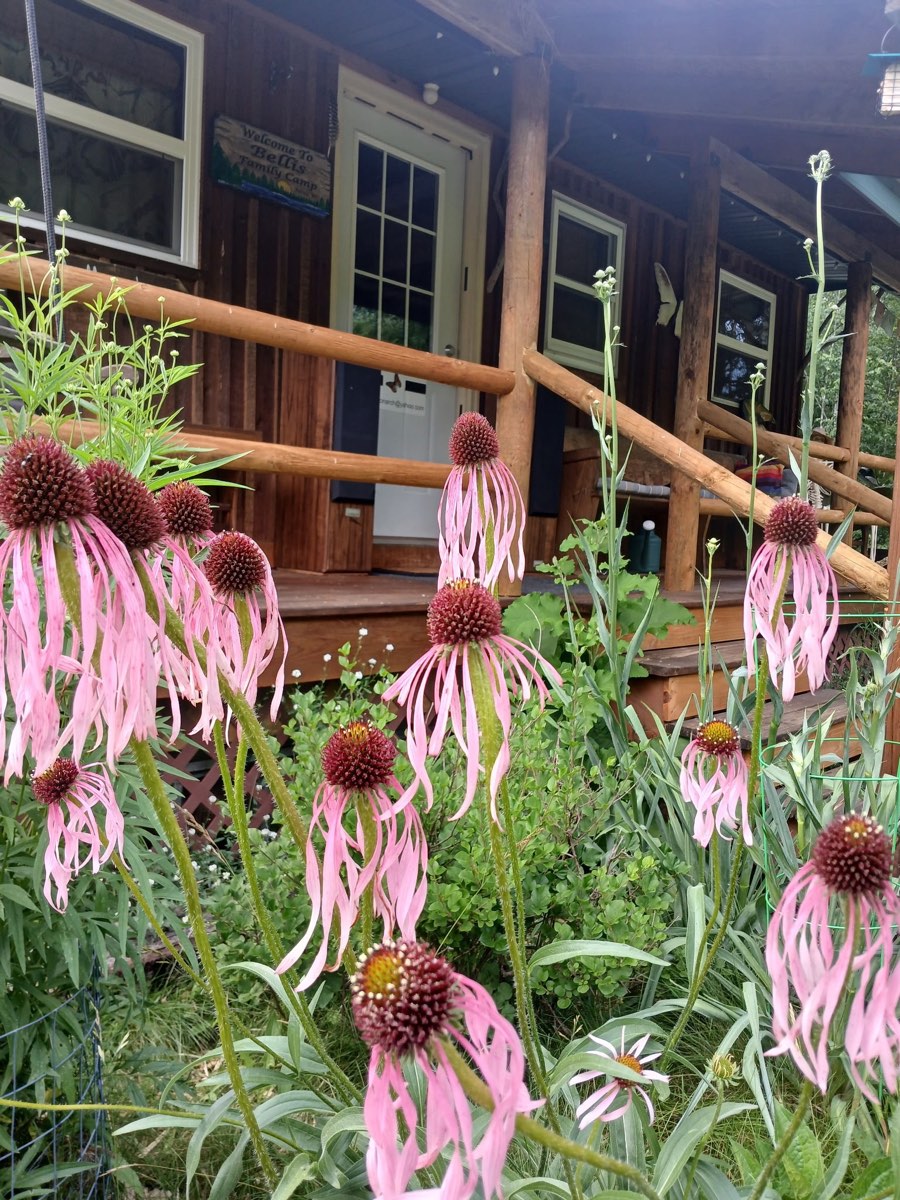
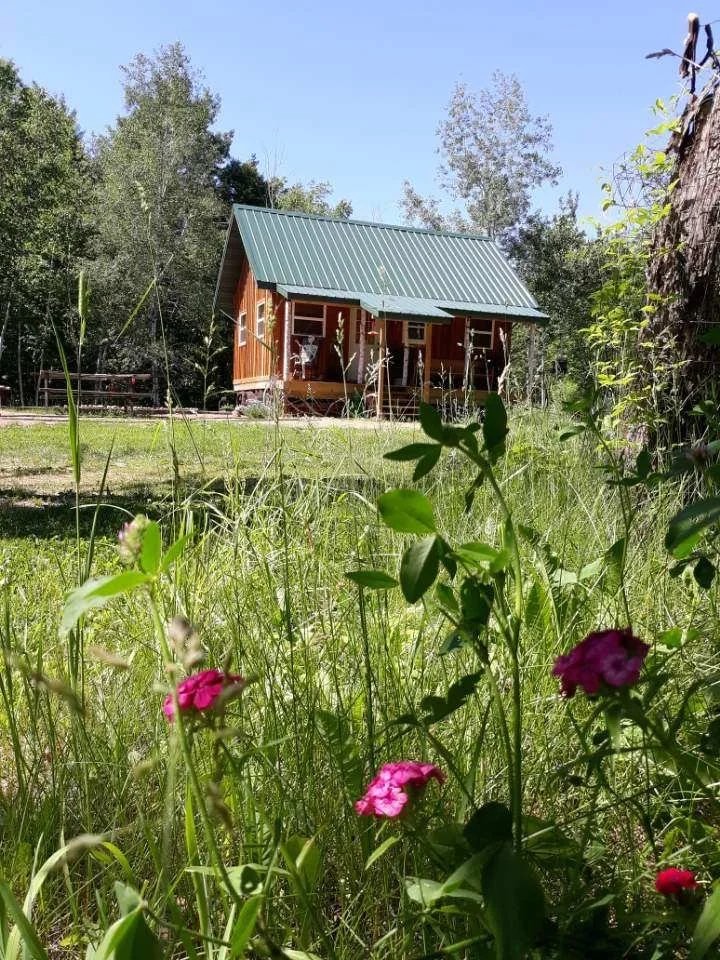
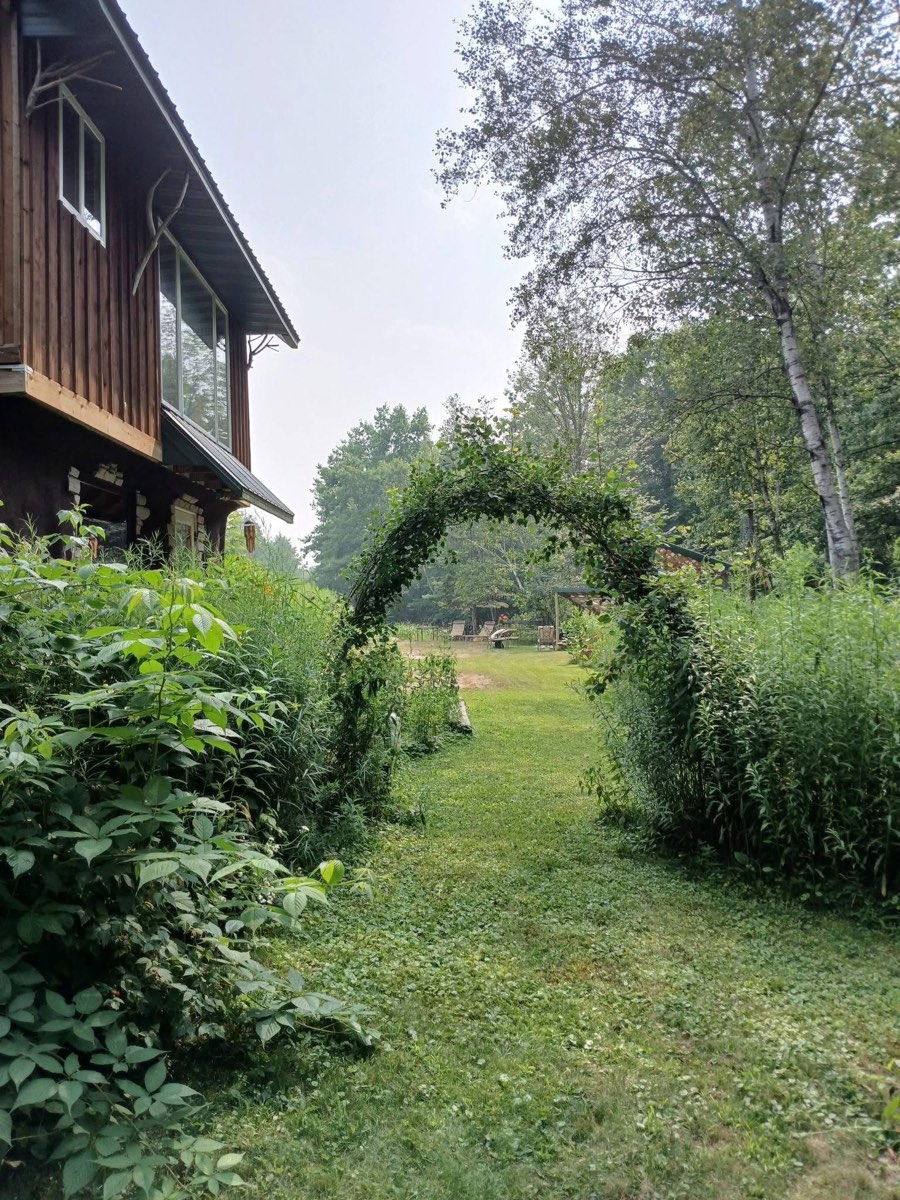
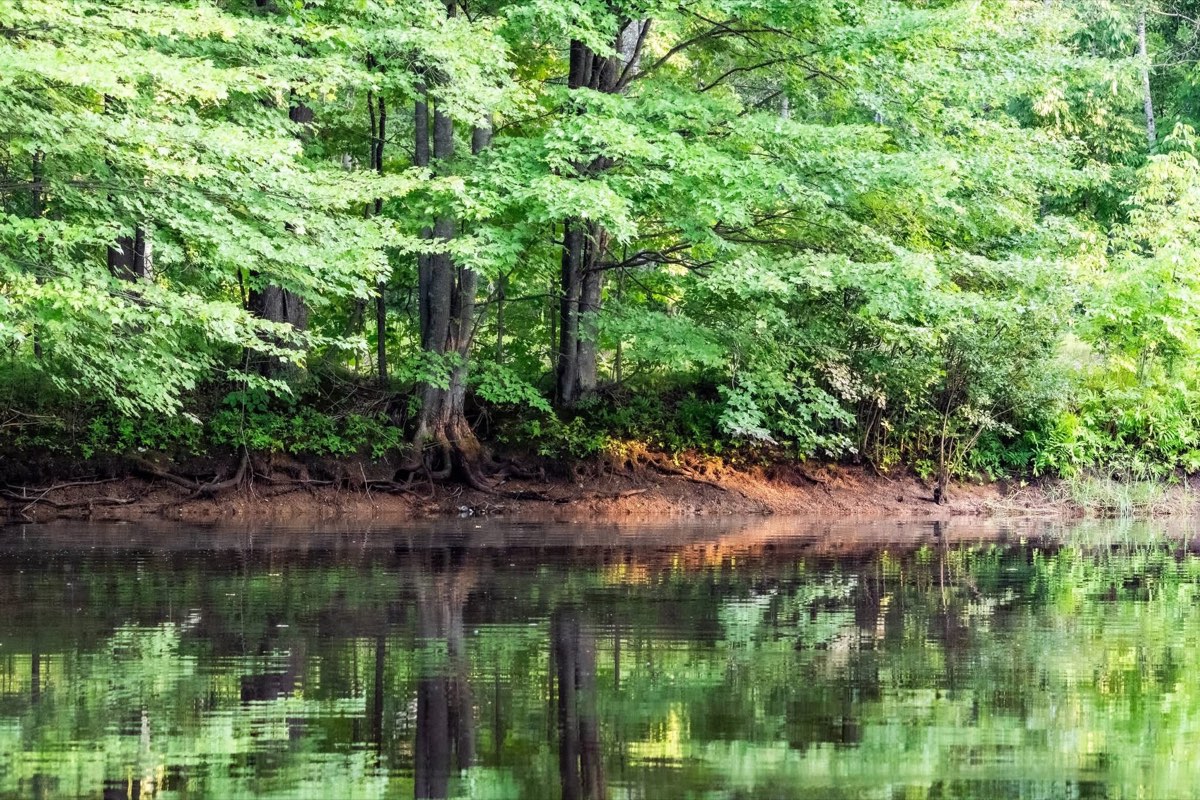
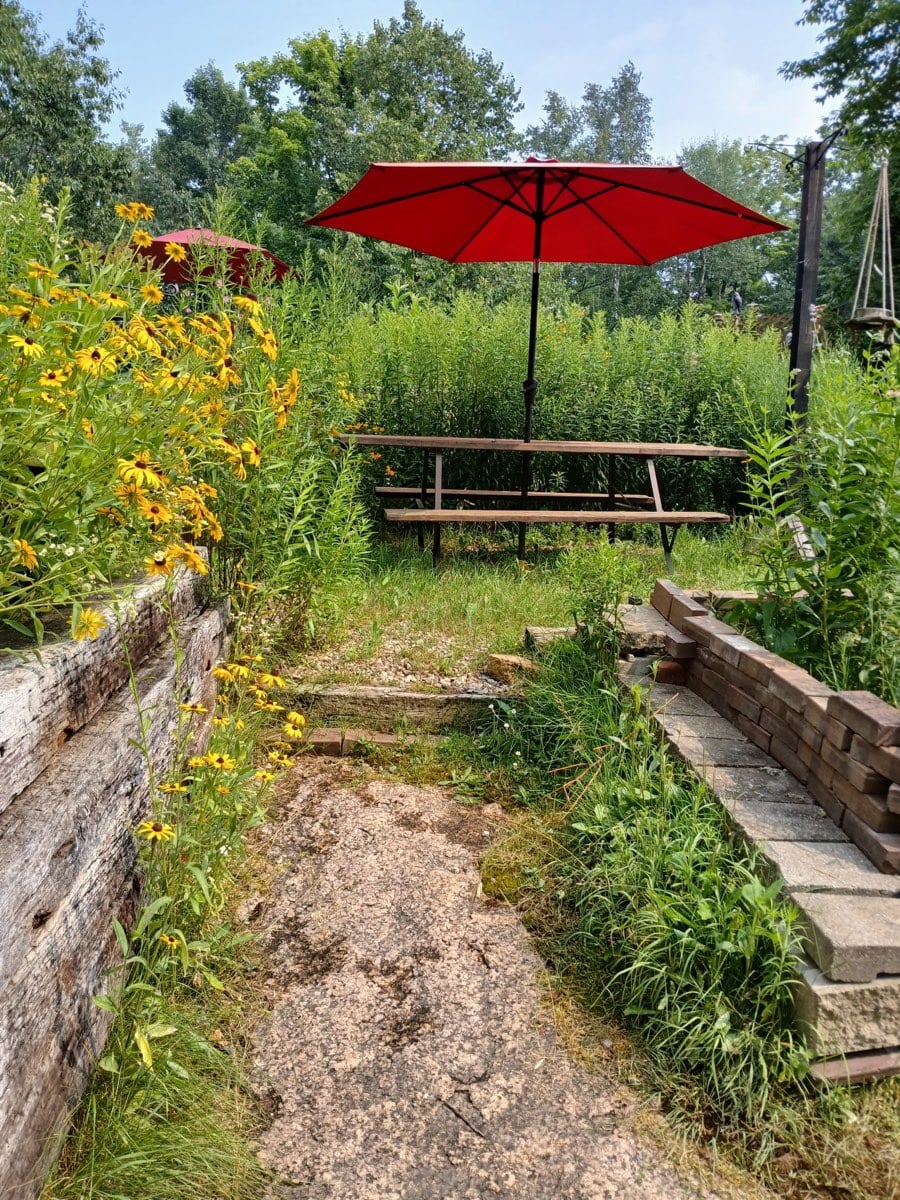
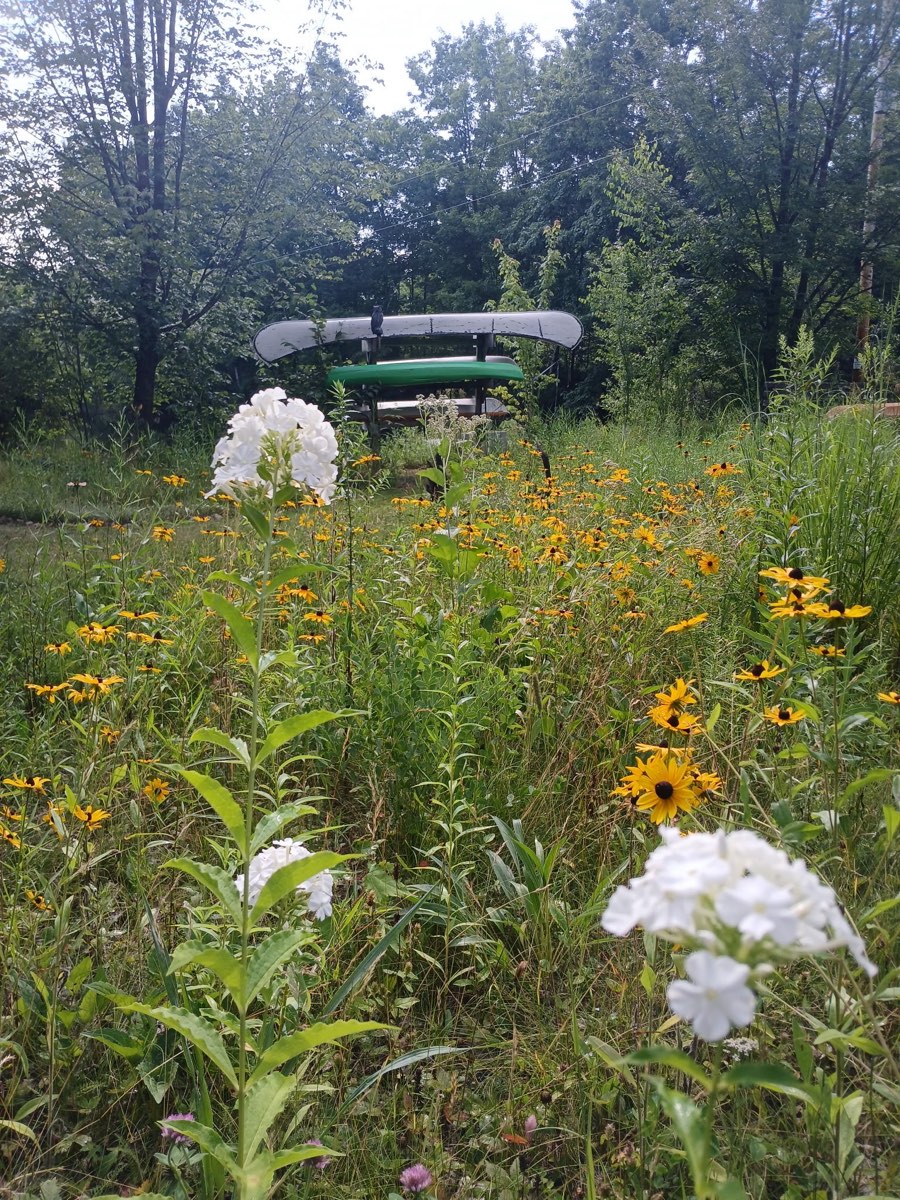
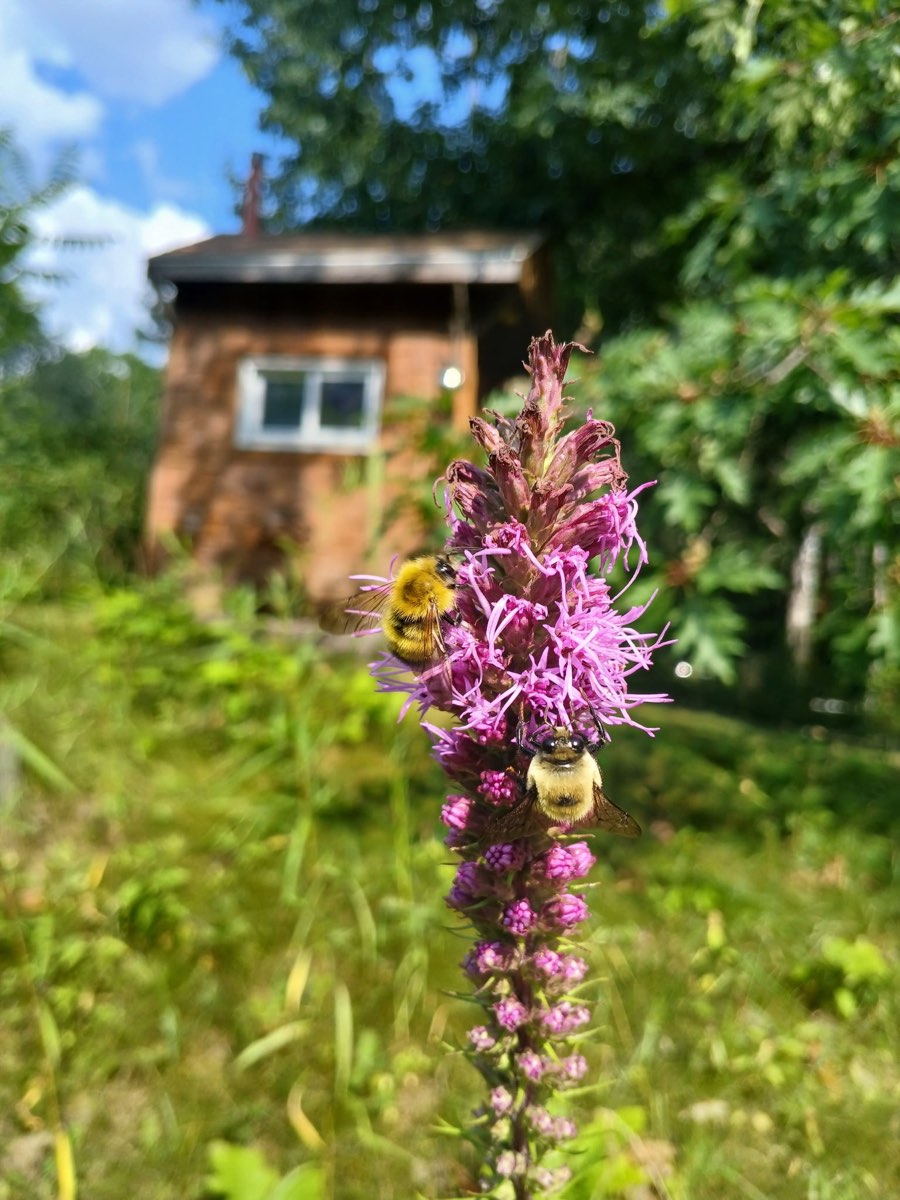
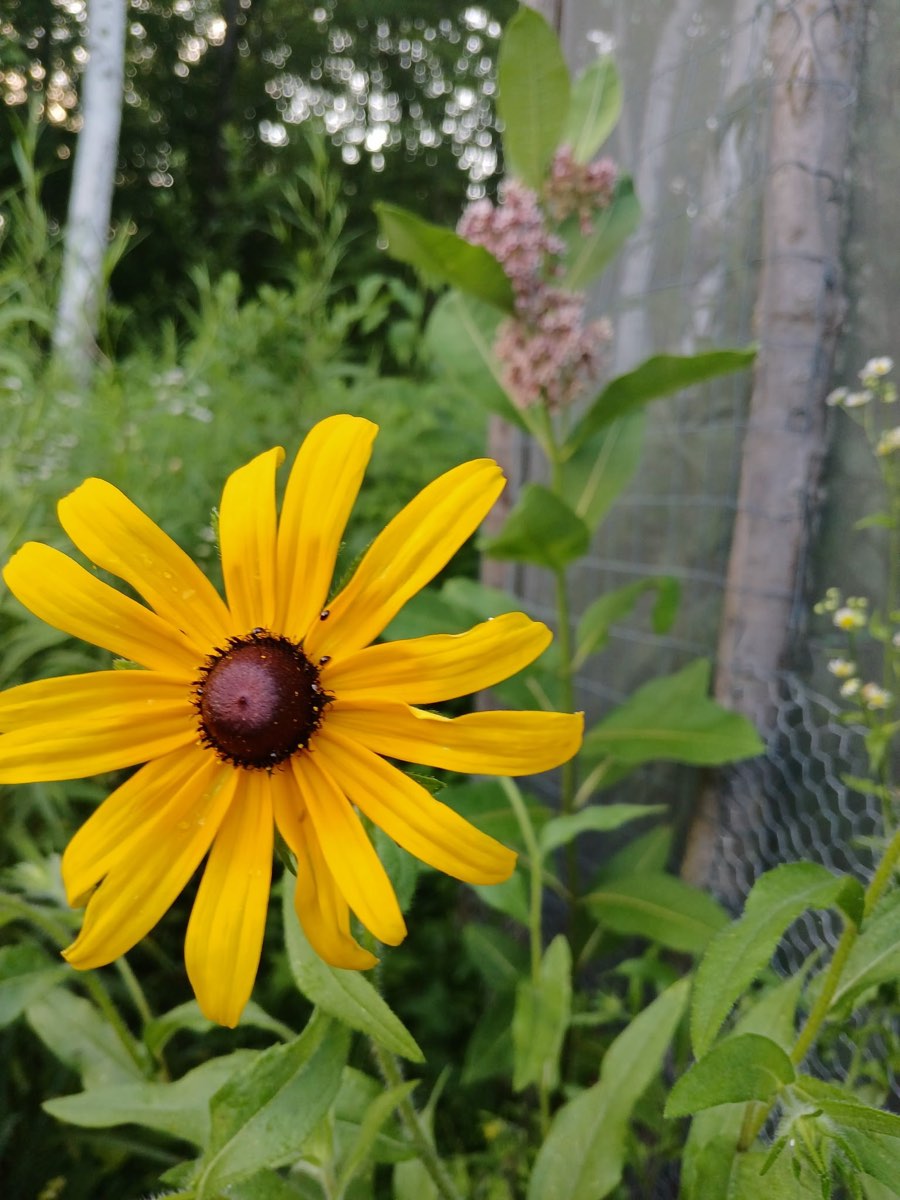
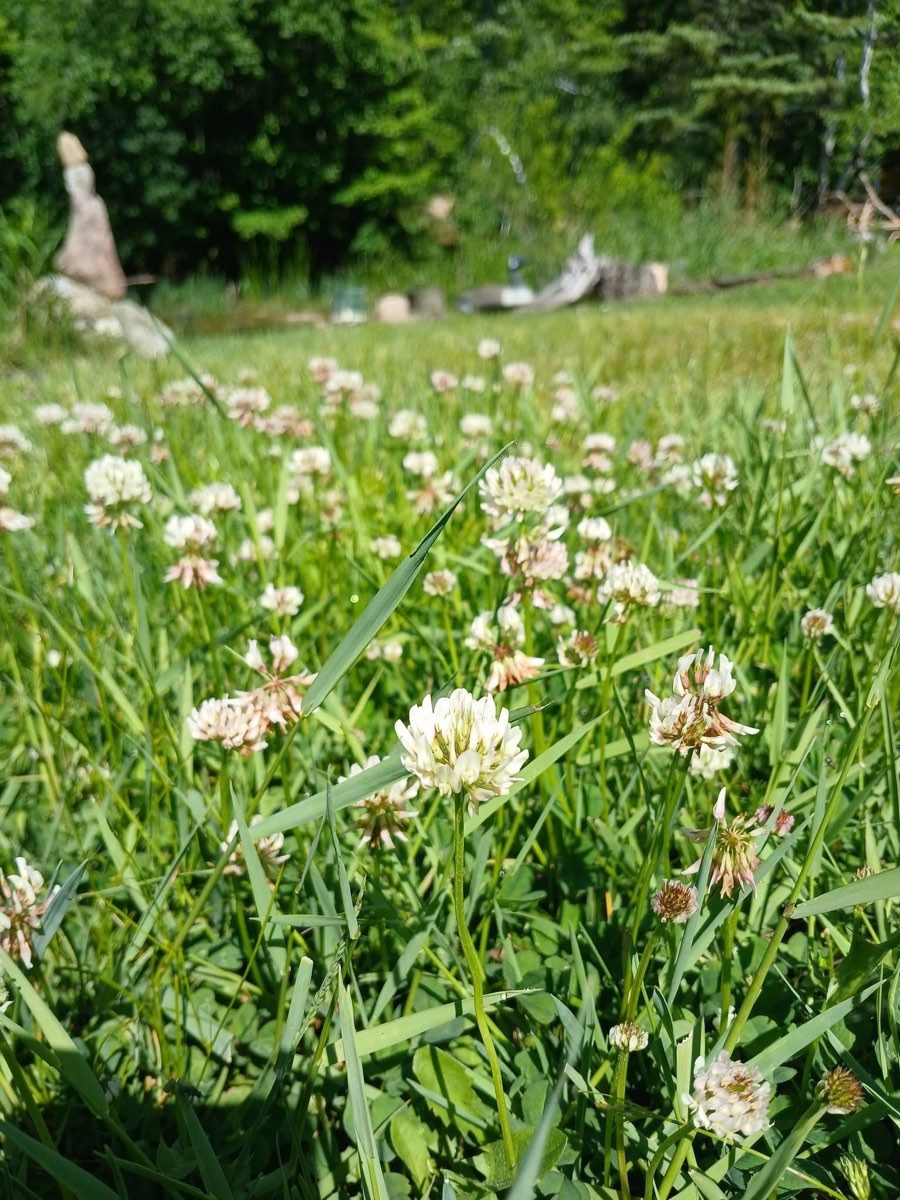
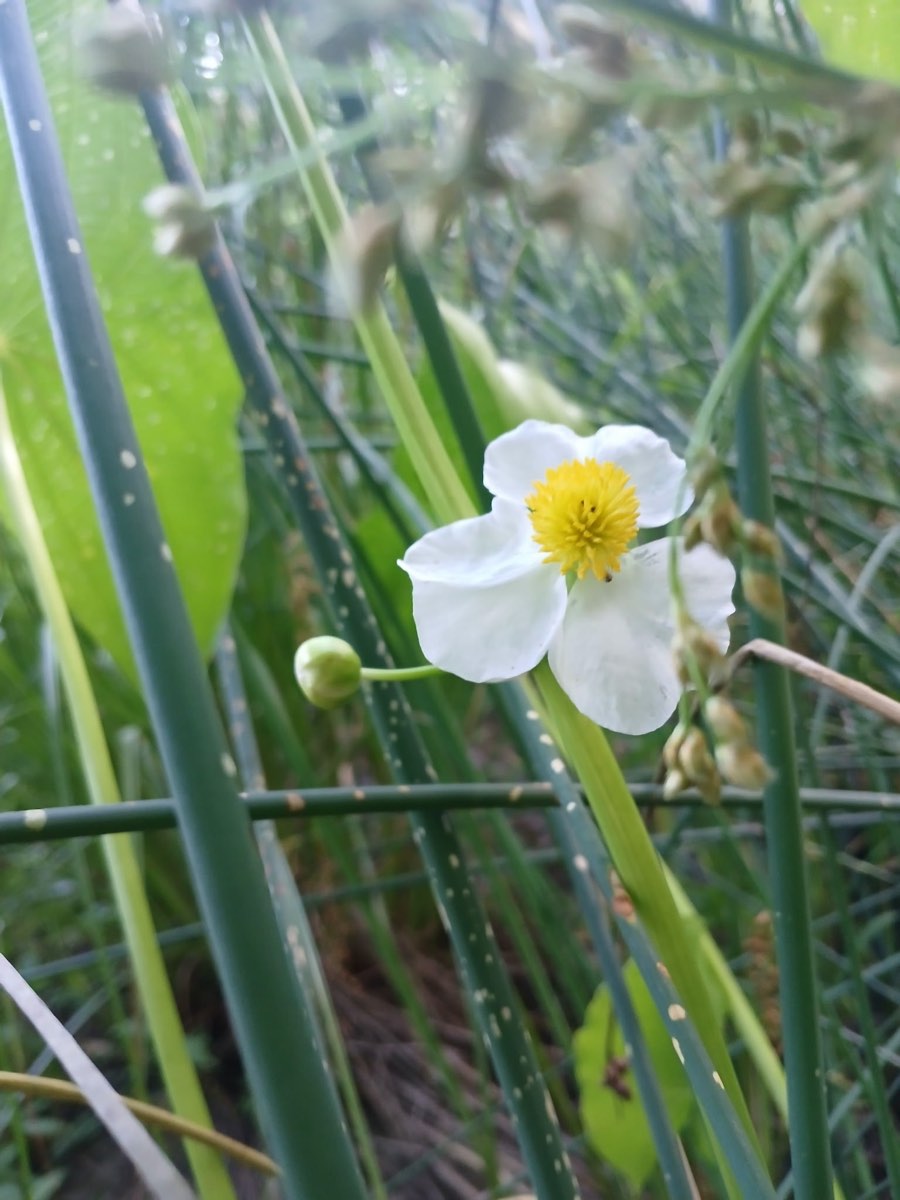
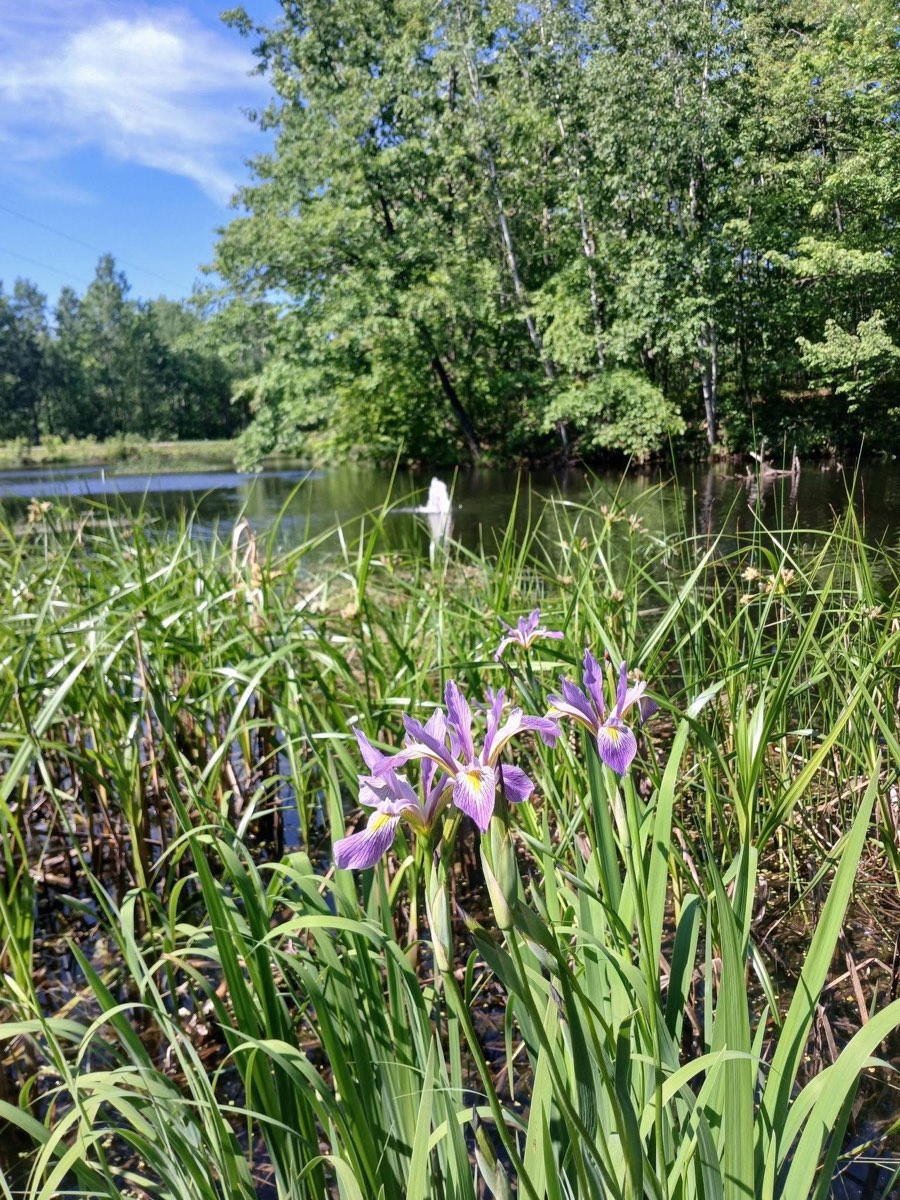
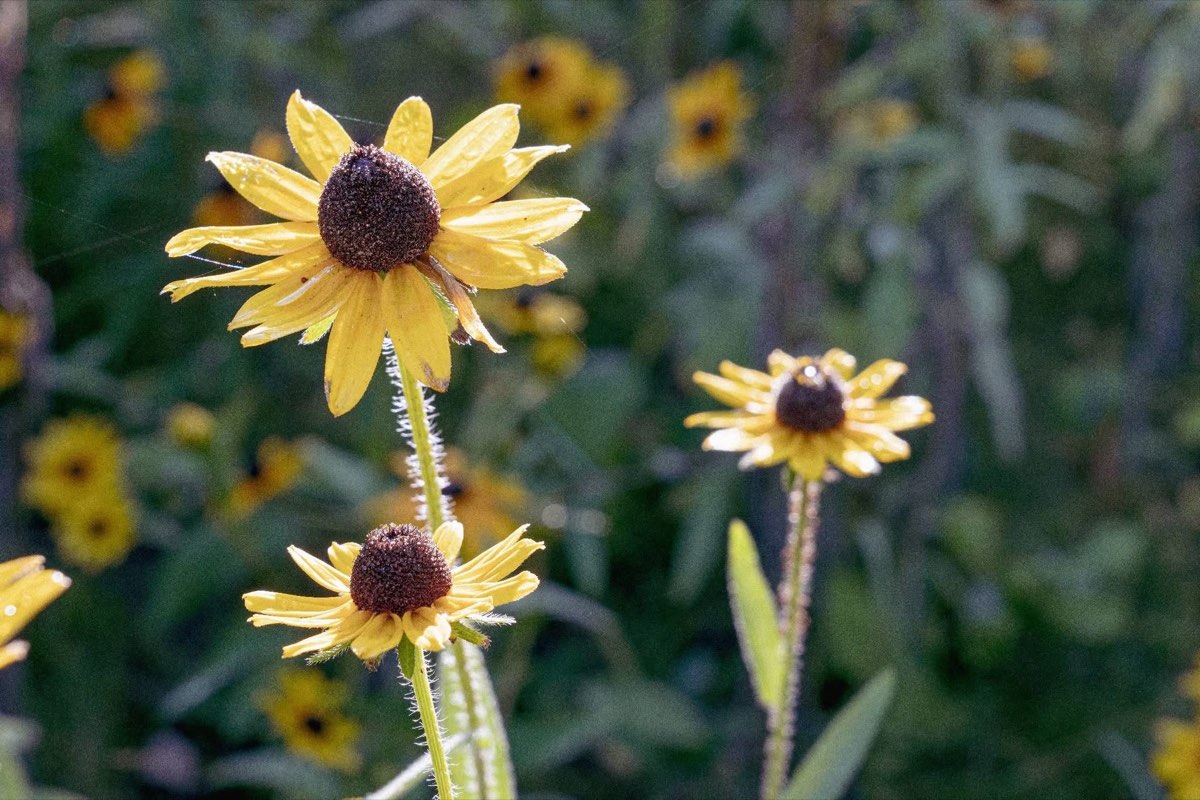
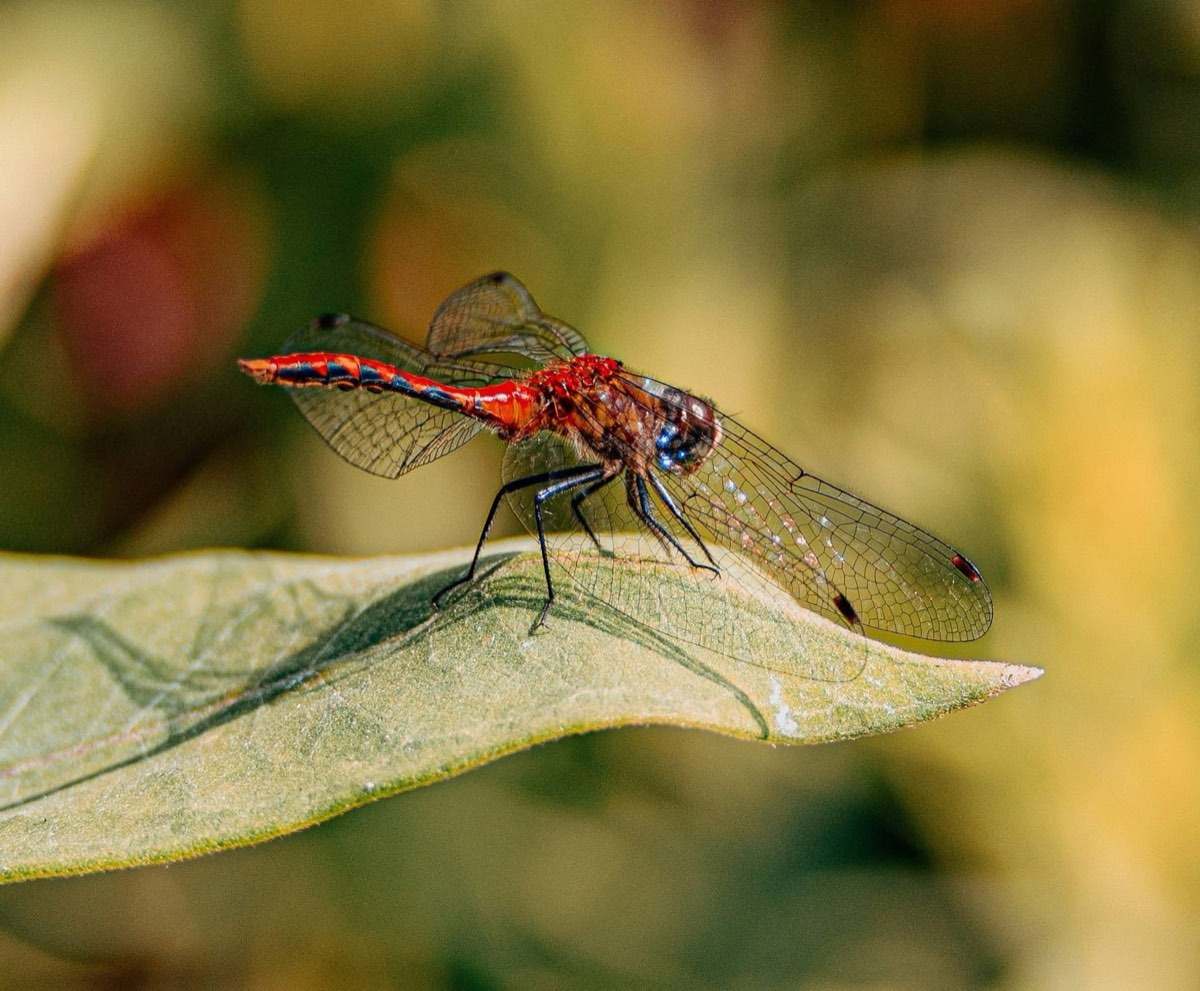
Photographs from base camp and the ditches around it.


Chris Bellis is a Wisconsin native. Some years ago he went to a seminar at Hartman Creek State Park in Waupaca about the life of a butterfly, heard how fast the monarch was disappearing and how simple some of the fixes were, and was hooked. He went straight out and found, collected and raised his first generation.
After that first summer he found himself waiting on the next one. Every year the goal has gotten bigger. He has raised and released over a thousand monarchs, and that is one person, mostly on his own time. With volunteers alongside him, that number climbs fast.
Donations pay for enclosure materials, milkweed and native seed, safety equipment for the ditch crews, and the handbooks we give away at workshops.
Quickest way to reach a person about volunteering or events.